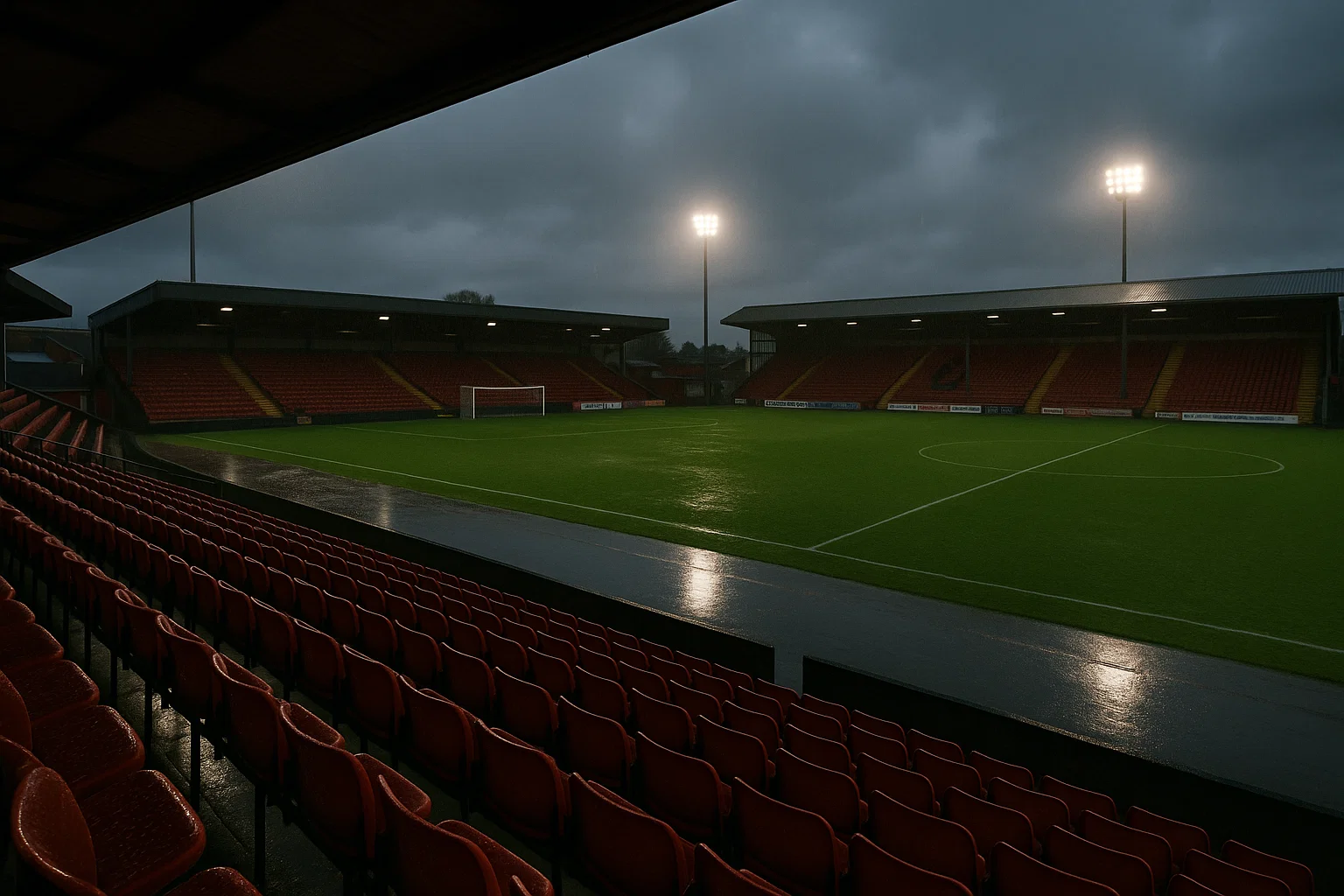
The rise of postponements (and the fan frustration)
In recent seasons the third tier of English football has seen a spike in delays and cancellations. For instance, back in November 2023 the Sky Sports headline asked: “Why have so many games been postponed this weekend in League One?” because 10 matches were called off due to clubs losing players to international duty.
The bottom line? Fans buy tickets, make plans only to find out in mid-week that their game is off. It’s irritating, and it hurts momentum. But the reasons are structural, not random. Let’s dig in.
When weather wins
Wet, icy or frozen pitches are a recurring culprit. The higher up you go, the more infrastructure teams have (under-soil heating, superb drainage). In League One many clubs still struggle with older grounds, tighter budgets. For example: in January 2023, research found “over 60 matches” across the English football pyramid were postponed due to sub-zero or waterlogged conditions.
And in one case, a fixture was called off not because the pitch was unplayable but because the surrounding public areas were flooded and emergency services were stretched.
So yes rain or frost might sound mundane, but when your club lacks elite infrastructure, it becomes a show-stopper.
International call-ups and player availability
Here’s where it gets less obvious: Clubs in League One are increasingly supplying players to national teams. And when three or more first-team players are called up, clubs can request postponement. This rule exists and has been used often in recent years.
For example:
“Clubs are allowed to call off fixtures if three or more players are called up to play for their countries.”
It means a club could lose key players for a Saturday fixture and decide it’s unfair (or uncompetitive) to proceed. The irony: lower-tier clubs often have smaller squads, so losing even a few matters more.
Fixture congestion and scheduling chaos
When you delay games, they need to be rescheduled. That often means mid-week matches, tighter turn-arounds, more travel. And again: smaller clubs are hit hardest. They pay for travel, staff overtime, sometimes even stadium hire for alternate days.
So a postponed match isn’t just one blot on the diary it ripples into fatigue, finance and fairness.
Safety, travel and local conditions
Beyond pitch and squad, there are travel disruptions (flights cancelled, roads flooded), safety concerns (for fans and staff), and local authority/stadium regulation issues. Some postponements happen not because the match can’t be played in a technical sense, but because the wider logistics don’t stack up. Remember that flooding example above.
Clubs have to make judgment calls: It may be safe on the field, but if the access roads are closed or police presence is strained, the game risks cancellation.
Why this happens more in League One than higher leagues
A few key reasons:
- Lower budgets for infrastructure (less likely to have top-class drainage, under-soil heating).
- Smaller squads = more vulnerability when players are away (injuries + international call-ups hit harder).
- Less flexibility in rescheduling (higher leagues often have more mid-week windows, more TV-ready dates).
- Higher proportion of clubs in less-favourable geographical locations (older grounds, more exposed to weather).
So how about the specific case queries
- Why are football matches postponed? Broadly: wind, rain, frost, pitch damage, travel issues, player unavailability, safety concerns.
- Why is Valencia vs Madrid postponed? (Just as an example) in Spain, similar issues apply: weather, stadium issues, logistics. Each case has its own story.
- Why is Wrexham vs Lincoln postponed? There was a weekend where many League One fixtures were cancelled because of international call-ups and this one fell into that batch.
- Could Liverpool vs Man United be postponed? Yes in theory any fixture could, if extraordinary circumstances hit (severe weather, stadium infrastructure failure, major safety issues, etc.). Higher leagues have more buffers, but the risk is always there.
What’s the league doing (and what needs to happen)
The league and clubs are aware there are discussions around:
- Better pitch/facility investment (especially at lower-level clubs).
- Smarter scheduling (avoiding key fixtures being slotted on vulnerable dates like international windows or in January’s worst weather).
- Improved contingency & communication with fans (so you’re not left in the dark).
- Perhaps revision of rules around player call-ups and postponement thresholds.
Right now, what can fans do?
- Check for fixture updates a few days ahead, especially around international breaks or extreme weather forecasts.
- Follow your club’s social channels most will announce postponements early if they can.
- Understand the bigger picture: when your club postpones, it’s not just laziness. Often it’s a tough decision based on risk, fairness and cost.
- Support the idea that match postponement isn’t always bad: If a team must play with 10 first-choice players away, it might skew fairness. Yes it’s inconvenient, but sometimes necessary.
Your readers probably want clear take-aways: Yes, many League One games are being postponed more often, and no, it isn’t just rain. Weather is a big factor, but so are international call-ups, infrastructure limitations and logistics. If you want, I can pull in 2025-specific examples (dates, clubs, which fixtures) to make the article even stronger.

Emily is a skilled content strategist and writer with a passion for digital marketing and SEO trends. A Leeds alumna, she brings her expertise in media communication to Spinbot UK Blog, crafting engaging content that drives traffic and enhances user engagement.